Understanding the Secret Conveniences of HDPE Pipe for Water and Wastewater Management
Using HDPE pipe in water and wastewater monitoring presents countless advantages that warrant consideration. Its outstanding toughness and long life expectancy make it a recommended option for many jobs. In addition, the product's resistance to rust and chemical damages enhances its dependability in numerous atmospheres. Nonetheless, the advantages prolong beyond just longevity and resistance. Discovering its cost-effectiveness and ecological impact reveals a lot more engaging factors for its prevalent fostering in modern-day framework
Outstanding Durability and Longevity

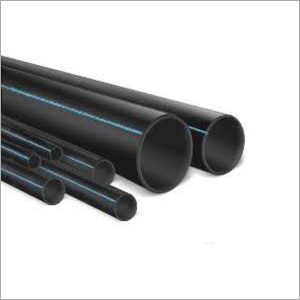
HDPE pipe stands apart for its exceptional durability and longevity, making it a recommended selection in water monitoring systems. Created from high-density polyethylene, these pipelines can stand up to considerable pressure and stress, guaranteeing dependable performance in time. Their robust nature allows them to sustain severe environmental conditions, consisting of temperature level changes and dirt movements, which can cause various other products to fail.
The lifespan of HDPE pipelines commonly goes beyond half a century, supplying an economical option for towns and industries alike. In addition, the material's light-weight homes streamline setup, decreasing labor costs and durations. This sturdiness minimizes the demand for regular repairs or substitutes, further boosting its economic charm.
In water management applications, the dependability of HDPE pipelines indicates less interruptions and boosted service connection, making them indispensable to sustainable framework development. The mix of durability and durability strengthens HDPE's role as a foundation in reliable water management options.

Resistance to Deterioration and Chemical Damages
While many products catch deterioration and chemical damage with time, HDPE pipes show remarkable resistance, making them excellent for different water management applications. This durability stems from the molecular structure of high-density polyethylene, which is naturally non-reactive and does not corrode like steels or degrade from exposure to harsh chemicals. Therefore, HDPE is highly efficient in environments with aggressive materials, such as wastewater systems that may consist of acids, bases, and natural solvents.
Furthermore, HDPE pipelines can withstand environmental variables such as soil acidity and saline conditions, better enhancing their suitability for varied applications (Pipe Supplier American Plastics Midland). Their ability to preserve structural stability gradually lowers the risk of leaks and failures, which is vital in making certain the safety and reliability of water distribution and wastewater management systems. Consequently, the resistance to corrosion and chemical damage markedly contributes to the overall effectiveness and longevity of HDPE piping solutions
Cost-Effectiveness and Economic Benefits
When considering the financial effects of water management systems, the cost-effectiveness of HDPE pipelines comes to be obvious. These pipes provide lower installation and upkeep prices contrasted to standard products like metal or concrete. Their lightweight nature simplifies transport and setup, leading to decreased labor expenses. Additionally, HDPE pipes exhibit a long lifespan, typically exceeding half a century, which converts to less substitutes and long-lasting savings.
The resistance of HDPE to rust and chemical damages lessens the need for pricey repair services and replacements. The pipelines also sustain effective water circulation, minimizing energy prices related to pumping systems. By mitigating leakages and water loss, HDPE pipes add to substantial economic advantages for towns and sectors alike. Generally, the initial financial investment in HDPE piping can yield substantial monetary returns over the lifespan of the water administration system, making it a prudent option for lasting facilities development.
Ecological Sustainability and Reduced Effect
Versatility and Adaptability in Installation
Due to their unique residential or commercial properties, HDPE pipes supply remarkable convenience and versatility in installment, making them ideal for a large range of applications. Their lightweight nature permits much easier handling and transport, reducing labor expenses and installment time. HDPE pipelines can be curved and shaped to fit numerous surfaces and project demands, which is especially beneficial in challenging atmospheres.
In addition, their resistance to deterioration and chemical damages allows for installation in diverse setups without the requirement for specialized safety coatings. The ability to fuse joints creates a continuous, leak-free system, enhancing the overall integrity and integrity of the installation. HDPE's flexibility also accommodates ground movement, decreasing the danger of damages in locations susceptible to changing dirt. Overall, these characteristics make HDPE pipes not only versatile but also a favored option for water and wastewater administration systems.
Frequently Asked Concerns
How Does HDPE Pipe Compare to PVC in Water Administration Applications?
HDPE pipe supplies superior versatility, resistance to rust, and resilience contrasted to PVC. Its lighter weight promotes less complicated installation, while its long life expectancy decreases replacement expenses, making HDPE a favored option in water administration applications.
What Is the Life-span of HDPE Pipes Under Regular Problems?
Under typical conditions, HDPE pipelines can have a life expectancy varying from 50 to 100 years. Their durability and resistance to deterioration add to their long-lasting performance in numerous applications, making them a reliable choice for facilities.
Are HDPE Pipes Recyclable After Their Solution Life?
Yes, HDPE pipes are recyclable after their life span. American Plastics HDPE Pipe for Oilfield. They can be processed and repurposed right into new items, substantially lowering ecological impact and advertising sustainability within the industry, making click here for more them an environmentally friendly selection for piping services
What Is the Installation Process for HDPE Piping?
The setup procedure for HDPE pipelines includes why not try this out website preparation, trenching, pipeline combination or mechanical signing up with, backfilling, and stress testing. Proper strategies guarantee a sturdy and reliable system for moving water and wastewater successfully.
Can HDPE Piping Be Used for Both Drinkable and Non-Potable Water Equipments?
Yes, HDPE pipelines can be used for both potable and non-potable water systems. Their adaptability, resilience, and resistance to deterioration make them suitable for different applications, making sure secure and reliable transportation of water in different contexts.